

Consumer Bankruptcy Project

How to Manage Repayment of Federal Student Loans this October
by Jennifer ArochaAugust 14, 2023
The City Bar Justice Center’s short animated video outlines several key strategies that will help borrowers effectively manage their student loan debt and work towards achieving financial stability and long-term success.
Read more
Recent New York State and Federal Debt Collection Regulations Increase Consumer Protections
by Ramona Morel, Esq.July 6, 2022
Ramona Morel is the director of the Consumer Bankruptcy Project. Individuals burdened with consumer debt have long grappled with abusive debt collection practices. Many have faced lawsuits on debts that were too old to be sued on, or dealt with defendant creditors without proof that debt was owed. In other instances, individuals have had default … Continue reading Recent New York State and Federal Debt Collection Regulations Increase Consumer Protections
Read more
How Access to Language Services is Vital to Closing the Justice Gap
by Ramona Morel, Esq. and Alexa TovarMay 18, 2021
Navigating the civil legal process and understanding court procedures, such as filing for bankruptcy relief, can be difficult for individuals who do not have legal assistance or representation. For those who do not speak English or have limited English proficiency, accessing legal services in their native language can be even more challenging.
Read more
Trailblazer Ramona Morel Receives the Renaissance Award from the New York Institute of Credit
by Cheryl LopezFebruary 18, 2021
On February 3, 2021, Ramona Morel, the City Bar Justice Center’s Consumer Bankruptcy Project Director, was presented with the Renaissance Award at the New York Institute of Credit’s (NYIC) 14th Annual Women in Achievements Awards virtual ceremony for her dedication to excellence in the pro bono sector, and legal and business profession at large.
Read more
Financial Literacy for Veterans: Starting the New Year on a Financial Fresh Start
by Ramona Morel, Esq.December 23, 2020
The New Year provides an opportunity to start fresh and look forward to a bright financial future. One resolution to undertake this coming year is financial literacy.
Read more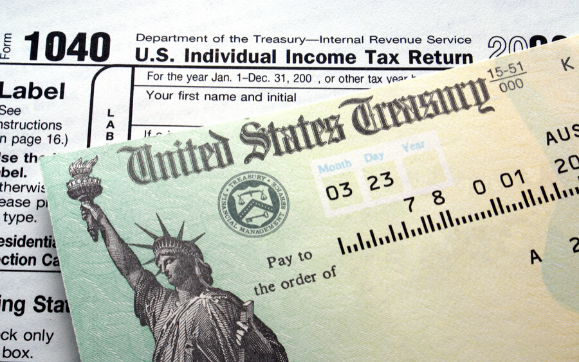
What to Do if You Have Not Received the Economic Impact Payment
by Ramona Morel, Esq. and Alexa TovarMay 6, 2020
Many individuals who filed a 2018 or 2019 tax return will be eligible to receive an Economic Impact Payment under the CARES Act. The payments are automatic for most taxpayers, which means that people who filed tax returns in 2018 or 2019 and most seniors and retirees do not need to take any further action to receive their payments.
Read more
Manejo del Impacto Financiero del Coronavirus en la Ciudad de Nueva York
by CBJC StaffApril 13, 2020
Con la propagación del coronavirus o COVID-19, las comunidades están experimentado impactos financieros ya que muchos han perdido sus sueldos como resultado de la enfermedad o debido al cierre temporal de negocios. En estos tiempos de incertidumbre, es importante ser proactivo ante los problemas financieros. A continuación hay una guía que incluye consejos y recursos que los residentes y pequeños negocios de Nueva York encontrarán útiles.
Read more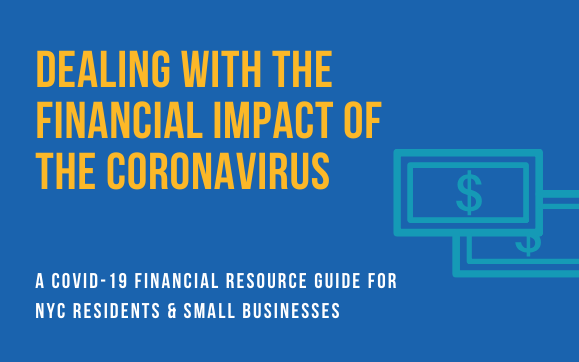
Dealing With the Financial Impact of the Coronavirus in New York City
by CBJC StaffMarch 18, 2020
With the spread of the coronavirus or COVID-19, communities are being financially impacted as many suffer loss of income as a result of becoming ill or due to the temporary closure of businesses. In these uncertain times, it is important to be proactive when faced with financial distress. Below is a guide including essential tips and resources New Yorkers will find helpful from the City Bar Justice Center.
Read more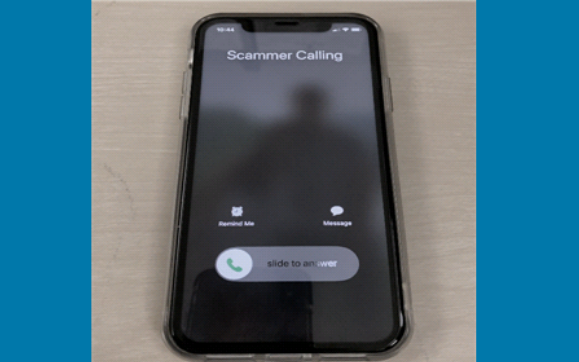
Beware of Phone Scams this Holiday Season!
by Ramona Morel, Esq.December 19, 2019
Thousands of people, especially seniors, have fallen victims to phone scams and have been defrauded of their money. One particular scam, the impostor scam, happens when scammers pretend to be a business, a family member or friend in need, or impersonate representatives of government agencies such as the IRS or the Social Security Administration, in order to gain financial and personal identifying information from the victim.
Read more